At the changing table, a red, unhappy diaper area sends many parents hunting for the quickest fix, and cornstarch for diaper rash is often the first thing suggested. This piece covers what cornstarch genuinely does, what the American Academy of Pediatrics says about powder of any kind, and what a diaper-change routine actually needs.
What Parents Are Actually Asking Cornstarch to Do
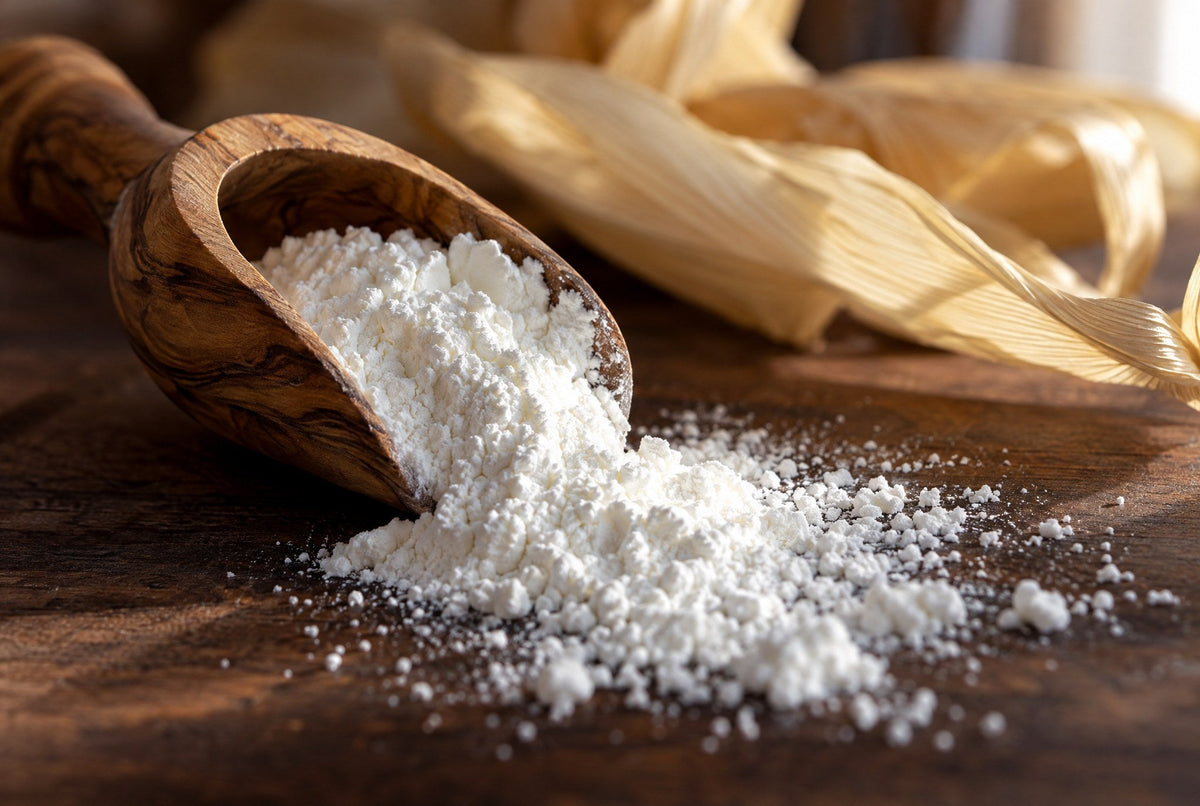
Strip away the buzz words and the goal is simple: keep skin dry, stop the rubbing that turns tender skin sore, and make each change a little less fraught. Cornstarch gets pulled into that picture because it does one part of the work. As a fine, moisture-absorbing powder it soaks up dampness and eases friction where a diaper meets intact skin.
Trouble starts when cornstarch is asked to carry the whole load. On its own it is not a protective layer, and it does nothing about what caused the flare. There is a practical catch too: on skin that is already wet or weepy, cornstarch clumps into damp little balls that stick in the folds and add to the cleanup. That is the tell that the area needs cleansing and air, not more powder.
What the AAP Actually Says About Baby Powder
This is the part most articles on the subject skip, and it deserves to be stated plainly rather than buried.
The American Academy of Pediatrics advises parents to avoid talc-based baby powders. Its reasoning splits in two. Talc-based baby powder can contain asbestos fibres, and the AAP notes that breathing in large amounts of talc, for example if powder spilled near a baby's face, can lead to severe lung disease. The US Food and Drug Administration has its own standing consumer information on talc for the same reason.
The second half matters just as much for anyone reaching for the kitchen cupboard. The AAP notes that asbestos is not a concern in talc-free powders such as those made with cornstarch, but adds that there is still a risk of respiratory tract irritation if cornstarch baby powder is inhaled. So swapping talc for cornstarch removes one hazard and leaves the other in place.
Reading the Skin Before Reaching for Anything
Not every red diaper area needs the same response, and the type of rash changes the answer. The AAP describes the two most common patterns in a way that is genuinely easy to use at the changing table.
- Irritant dermatitis is the most common type, caused by the diaper area spending much of the day in contact with urine and stool. It looks like pink or red patches on the skin the diaper covers, and the groin folds usually look normal because they are more protected.
- A yeast rash reads differently: shiny, bright red or pink patches with sharp edges, sometimes with little bumps or pimples, and, unlike the irritant kind, usually worse in the groin folds. It may follow a course of antibiotics, and a pediatrician may recommend or prescribe a topical antifungal. This is the pattern where no powder and no barrier cream is the answer.
It is important to note that a rash that keeps spreading, will not settle after a couple of days of steady gentle care, or looks like it is weeping, bleeding or making a baby unusually miserable has moved past what a changing-table routine handles.
Why the Cornstarch-and-Petroleum-Jelly Paste Rarely Delivers
Somewhere online, a recipe promises the best of both worlds: stir cornstarch into petroleum jelly for a homemade paste that both absorbs and shields. The trouble is what happens once the two combine. Cornstarch alone gives a dry, powdery finish that can rub off as a baby moves. Petroleum jelly alone lays down a barrier that stays on the surface, and the AAP names petrolatum as one of two good barrier ingredients in its own right. Blend them and the result is a thicker, heavier layer that can hold warmth against the skin and trap the dampness a powder is meant to lift, while making cleanup stickier.
The clearer signal comes when the layers keep growing. If comfort seems to need more paste piled higher each change, that is the cue to step off the DIY track.
Trade "Which Ingredient" for "Which Layer"
Every kitchen-cupboard fix answers the same narrow question: what single thing can go on the skin right now? The steadier question is what layer the skin actually needs. Framed that way, three jobs stack cleanly.
- Clean. A gentle wipe, like Mavey Jaymes Baby Wipes, or a warm-water rinse lifts away the mess and the irritants riding along with it. The AAP also recommends alcohol-free and fragrance-free wipes, or water with a non-soap cleanser, which can be less painful than wiping when skin is sore.
- Dry. Pat gently and let the skin air-dry. This step does more than any product, and it is the one most often rushed.
- Protect. A thick layer of fragrance-free barrier paste, sitting between the skin and the contents of the diaper.
Seen this way, cornstarch was never the answer or the problem. It was one candidate for a job that the drying step already covers, and the drying step needs no product at all. For anyone still weighing formats, the on-site look at powder versus diaper cream maps out what each one does.
Where a Talc-Free Powder Fits, Honestly

Plenty of families do use a powder, and have for generations. If that is the choice, two things are worth getting right.
The first is the formula. The Mavey Jaymes Talc-Free Baby Powder is five ingredients: organic flour, arrowroot, calendula, Roman chamomile and lavender. It contains no talc, so the asbestos question does not arise. It absorbs moisture and reduces friction on skin that has been patted dry. It is wheat-based, which means families avoiding gluten want the Gluten Free Baby Powder instead, built on garbanzo bean flour, potato starch, tapioca and sorghum.
The second is technique, and it follows directly from the inhalation point above. The risk is a cloud of fine powder near a baby's face, and it applies to any powder, plant-based ones included. So: hold the bottle low and shake a light dusting straight onto the diaper area, only once the skin is fully dry, keeping it away from the baby's face. Cap the container promptly. Keep it entirely off broken, weeping or open skin.
A Diaper-Change Sequence Worth Repeating
Scattered tips are hard to recall when a squirming baby is halfway through a change. A short sequence, run the same way every time, holds up better. With gentle cleansing products from Mavey Jaymes, parents can keep the routine simple while caring for delicate skin.
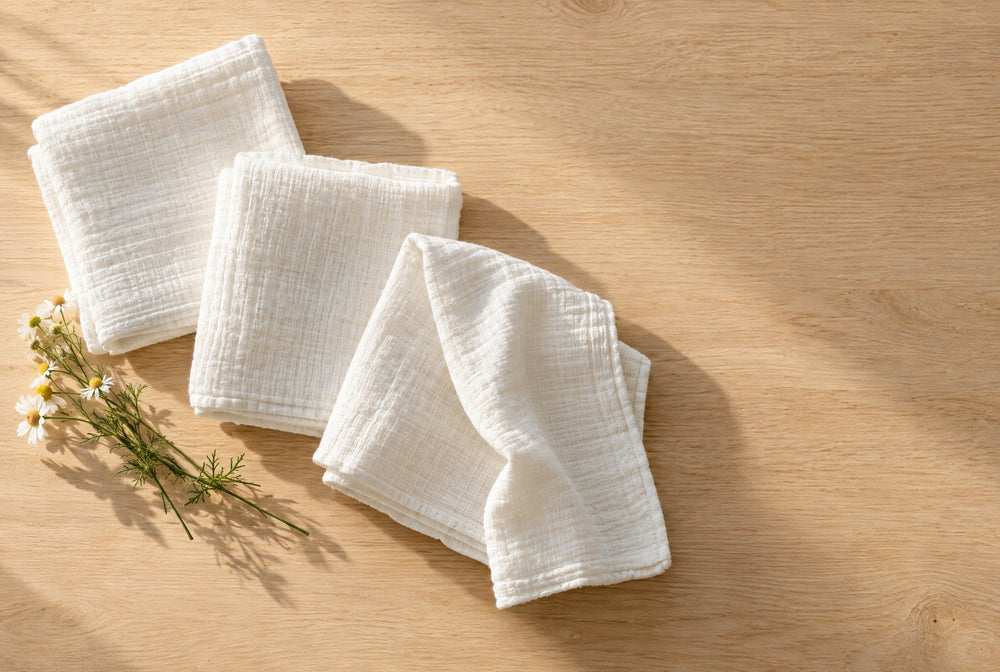
- Prepare. Before the diaper comes off, lay out a fresh diaper, a soft cloth or Mavey Jaymes Wipes, and whatever goes on afterward, all within reach. For changes away from home, the brand’s Travel Wipes offer the same formula in compact, resealable mini-packs.
- Clean gently. Lift the mess away rather than scrubbing it off. Mavey Jaymes Wipes combine 99% water with aloe, chamomile, and vitamin E to cleanse without added fragrance. For a particularly sore area, a squirt bottle of plain water rinses without rubbing.
- Pat fully dry, then pause. Work along the folds and creases, then give the skin a brief diaper-free moment. It is recommended to let the skin air-dry. Mavey Jaymes Talc-Free Baby Powder absorbs excess moisture and reduces friction. If using powder on healthy skin, keep it away from the baby's face and avoid creating airborne dust. Do not apply it to broken or irritated skin.
- Protect. For dry skin elsewhere on the body, Mavey Jaymes Body Butter combines shea butter, oat kernel extract, aloe, and calendula to help maintain softness and moisture.
- Reset the fit. Fasten the fresh diaper snug but not tight; the AAP notes a loose diaper is less likely to rub.
- Keep the area clean. If the diaper area is irritated, Mavey Jaymes Soothing Bath Pouches offer a soap-free option with colloidal oatmeal, coconut, and chamomile to help soften dry skin. The brand recommends using the pouches two to three times a week rather than adding them to every bath.
For parents weighing a calming soak, the comparison of a baking soda bath versus an oatmeal bath for rash-prone skin is worth a look.
Patch test anything new, introduce one product at a time, and keep everything off broken skin.
Frequently Asked Questions
Is cornstarch good for diaper rash?
Cornstarch absorbs dampness and helps reduce friction on intact skin, but it is not a complete solution on its own. To prevent diaper rash, the recommended approach is frequent diaper changes and gentle cleaning. If a rash worsens or does not improve after a couple of days of gentle care, contact a pediatrician.
Is cornstarch safer than talc for a baby?
It removes one hazard, not both. The AAP notes that asbestos is not a concern in talc-free powders such as cornstarch-based ones, since talc-based powder can contain asbestos fibres. The FDA maintains its own consumer information on talc. What a starch base does not remove is the inhalation caution, which applies to any fine powder used near a baby's face.
What causes diaper rash in the first place?
The AAP notes that at least half of all babies get a diaper rash at some point, and that the most common type is irritant dermatitis, caused by prolonged skin contact with urine and stool. Teething and diarrhoea both raise the odds. A rash that is shiny, bright red with sharp edges and worse in the groin folds may be a yeast rash, which needs a pediatrician.