


Dry, tight skin shows up fast on babies, whether after a bath, in winter air, or from a night against cotton sheets. The right lotion for that kind of skin makes a visible difference with steady use. It mostly comes down to matching texture and ingredients to a baby's skin, and these ten picks cover the range.
1. Aveeno Baby Eczema Therapy Moisturizing Cream

Colloidal oatmeal has a long, steady reputation as a gentle skin soother, and this cream puts it right at the center. The price makes daily, generous use realistic, which matters for persistent dryness that needs frequent reapplication. The texture lands in the moderately thick range, better for dry patches than a runny lotion.
2. CeraVe Baby Moisturizing Lotion

Ceramides, the lipids that help skin hold its own moisture, anchor this one. The baby version keeps that logic in a fragrance-free formula with three ceramides and hyaluronic acid. It absorbs quickly and layers neatly under clothing, a gift on a rushed morning when a full-body routine has to happen in ninety seconds. Ceramide-rich lotions tend to shine as daily maintenance rather than rescue care, so very dry or irritated patches usually call for a thicker option.
3. Earth Mama Simply Non-Scents Baby Lotion

Families set on organic ingredients will appreciate how clean this fragrance-free lotion is, made with organic plant-based ingredients and formulated without synthetic fragrance. It sits above conventional drugstore prices, and because there's no added scent, some parents notice a faint natural smell from the plant oils, which can matter for a baby who is particularly sensitive to scent.
4. Pipette Baby Lotion

Pipette leans on sugarcane-derived squalane, an emollient that mirrors the skin's own oils and tends to sink in quickly. That fast absorption helps when a wiggly newborn won't hold still after a bath. It is a lighter texture by design, a fit for babies who need everyday maintenance hydration more than intensive moisture. The line includes scented versions, so parents who want fragrance-free should look at the exact product.
5. Babo Botanicals Sensitive Baby Hydrating Lotion

Sensitive skin is the starting point here rather than a feature added later. This fragrance-free lotion blends plant-based ingredients with colloidal oatmeal, and it comes in under the premium organic brands on price. The texture runs light, which keeps full-body application quick. It does its best work as part of a steady daily rhythm rather than a one-time fix for patches that are already flaky.
6. Tubby Todd All Over Ointment

An ointment sits at the richest end of the moisturizer range, and this plant-based version is made for cracked elbows, dry knuckles, and rough spots that haven't budged for lighter lotions. Many parents pair it with a thinner lotion for daily all-over use and keep the ointment on hand for targeted spots. That split helps justify the higher cost per ounce, since a little goes a long way where it is needed most.
7. Primally Pure Baby Balm

A good multi-purpose balm earns its spot in a pared-down baby kit. This one, built from a plant-based and tallow-based ingredient list, pulls triple duty as a moisturizer, a barrier layer, and a gentle salve in a single small tin. It is preservative-free, so clean, dry hands each time the lid comes off keep bacteria out. That extra care suits parents who want the shortest ingredient list possible, and it fits targeted spots better than full-body daily coverage.
8. The Honest Company Face + Body Lotion

Versatility is the real draw here. It is light enough for everyday face use and gentle enough for all-over body application, which appeals to families who would rather buy one product for the baby and the grownups alike. The fast-absorbing, non-greasy formula suits normal-to-mildly-dry skin. For a baby dealing with heavier dryness, a richer pick serves the little one better, while this one stays in rotation for the rest of the household.
9. Eucerin Baby Eczema Relief Body Cream

Eucerin's baby cream is formulated around colloidal oatmeal and ceramides, and the thicker cream texture holds up better than a standard lotion for stubborn dry patches. It is labeled for babies three months and older, so it is not the pick for a brand-new newborn.
Why a Butter or Balm Often Beats a Classic Lotion
Most baby lotions are designed to feel light and disappear quickly. That can be useful for everyday moisture, but it is not always enough when skin feels dry, tight, or rough. A thinner lotion may sink in fast, while a richer butter or balm leaves more of a protective layer behind and helps skin stay comfortable for longer.
For parents choosing between the two formats, the Body Butter vs Lotion guide explains where each one fits. If a baby's skin still feels tight or dry after lotion, the Mavey Jaymes Body Butter is the better place to start.
Best Option: Mavey Jaymes Body Butter

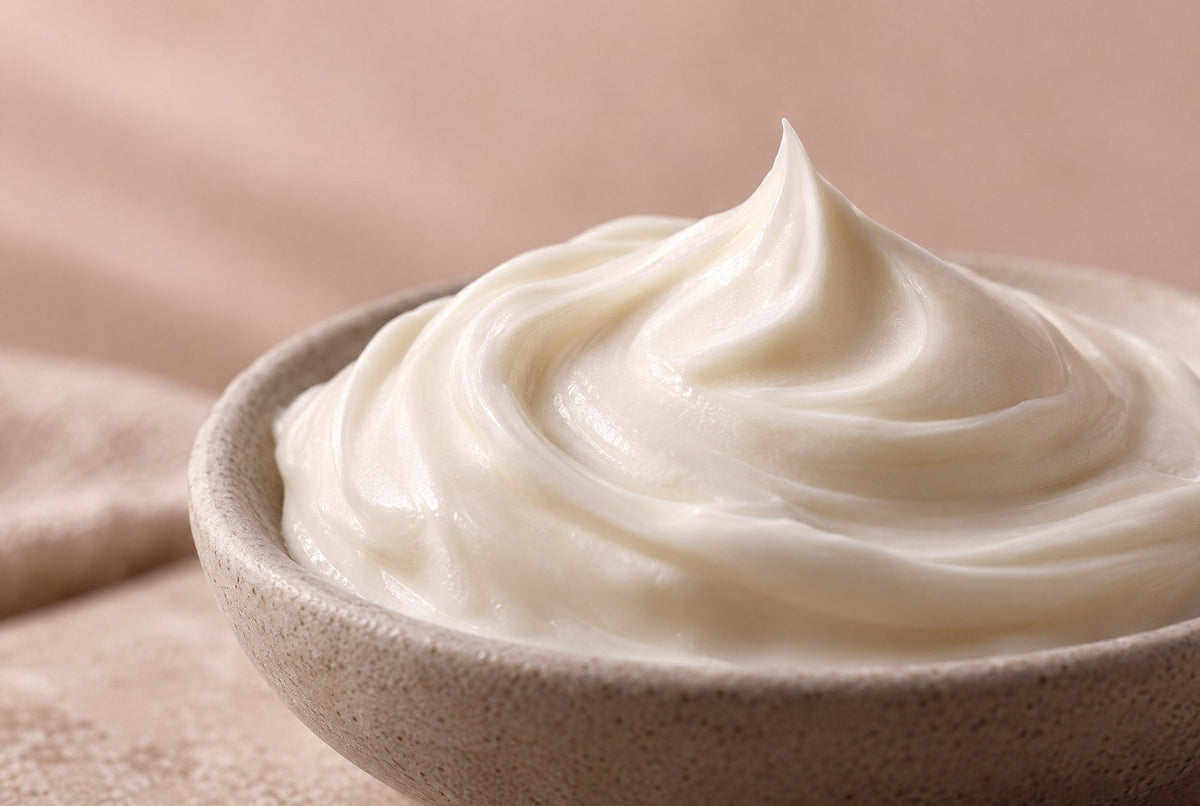
When dry, sensitive skin still feels tight after a light lotion, the Mavey Jaymes Body Butter is the kind of richer moisturizer that makes a noticeable difference. Its whipped texture melts into the skin easily, giving dry areas a softer, more cushioned feel without leaving behind the heavy, greasy finish that can make richer products unpleasant to use.
The formula brings together shea butter, olive fruit oil, oat kernel extract, and organic glycerin, with calendula, rosemary, and aloe worked in. That combination makes it especially useful for skin that feels rough, dry, or uncomfortable after a bath, since it helps soften the surface while giving moisture more staying power. It works just as well for an all-over post-bath application as it does for targeting stubborn spots like elbows, knees, shins, hands, and other areas that tend to dry out first.
What makes it particularly easy to keep in a daily routine is the texture. It feels rich enough to do more than a thin lotion, but it still spreads quickly and absorbs cleanly. Parents can smooth it on in a few seconds after bath time or use a little more during a slower bedtime massage without the skin feeling coated afterward.
The soft lavender-and-vanilla scent gives it a comforting finish, and the formula is not limited to babies. Adults can reach for the same jar on dry hands, elbows, legs, or anywhere else that needs extra moisture, which makes it feel more like a family moisturizer than a single-purpose nursery product.
There is a practical side too. The refill insert fits back into the original jar, so replenishing the product does not mean collecting another full container every time. That fits neatly with the thinking behind Mavey Jaymes itself: the brand was created by a dad for his firstborn son after existing shelf products fell short, and the Body Butter keeps that same focus on simple, useful care that earns its place in an everyday routine.
How to Match a Moisturizer to a Baby's Skin
Start with texture, because that is the lever that changes the most. Skin that looks and feels fine most days wants a lighter lotion that absorbs fast and layers under clothes. Skin that is actively dry, flaky, or tight wants something heavier, a butter, cream, or ointment that stays on the surface long enough to do its job.
Ingredient priorities tend to sort into three camps. Some families care most about organic and plant-based sourcing. Others want ceramides to support the skin's natural barrier, and still others reach for colloidal oatmeal for its soothing reputation. None outranks the others; the right one depends on the baby in front of a parent. Building those choices into a steady rhythm helps, and the Nurturing Baby Skincare Routine guide shows how the pieces fit together.
Frequency is the last variable. An after-bath application is the core of the routine, and many families add a second round before bed or whenever skin feels dry. Cold months change the math, since dry indoor heat and harsh outdoor air pull moisture faster; the tips in Protecting Baby's Skin in Winter are a good read before the temperature drops.
The Takeaway
For dry, sensitive baby skin, thicker and cleaner beats thin and complicated nearly every time. A rich, simple formula stays put and builds comfort, sparing parents the endless reapplication that lighter lotions can demand. For families who want one trustworthy option for both daily moisture and the drier days, a whole-family butter is a gentle place to begin.
Frequently Asked Questions
What is the difference between baby lotion and baby body butter for dry skin?
Lotions carry a lot of water, so they absorb quickly and feel light, but that same thinness means they may not hold moisture in for long. Butters and balms are oil-forward and richer, which lets them build a longer-lasting protective layer. For mild dryness, a lotion is plenty. For skin that stays dry or reacts easily, a butter generally does more.
What should parents look for in a baby lotion for sensitive skin?
Look for recognizable, nourishing ingredients that help support the skin barrier, such as shea butter, oat, glycerin, aloe, or gentle plant oils. A soft scent suits most babies, while those who are especially scent-sensitive may do better with a fragrance-free formula. Texture matters too: very dry skin may respond better to a richer cream or body butter than a thin lotion. It is also worth patch testing any new product on a small area first, especially if your baby’s skin tends to react easily.
Can baby lotion be used on a newborn?
Yes, with a gentle formula made for babies. A light layer after bath time keeps a newborn's skin soft, and it's worth checking the label, since some products, like the Eucerin cream on this list, set a minimum age.
How often should a baby's dry skin be moisturized?
The most useful window is right after a bath, while the skin is still slightly damp, which helps seal in moisture. Consistency matters more than slathering on a lot at once.
Is body butter safe for babies?
A body butter made specifically for babies, with clean and gentle ingredients, is safe for daily use. The important step is reading the ingredient list the same way a parent would for any baby product. The Mavey Jaymes Body Butter was formulated with that label-reading parent in mind, and it suits the whole family.


