Talc headlines have left plenty of parents wanting something they feel good about reaching for at diaper changes. A baby powder alternative usually means a modern, talc-free way to keep skin feeling dry and comfortable, with the right pick shaped by a baby's skin and the family's routine.
Read the label first, match the option to the moment at the changing table, and skip the hype.
What Parents Really Mean by "Baby Powder Alternative"
Here is the quiet mismatch behind the search. Most parents typing "baby powder alternative" are not looking to abandon powder at all. They want an alternative to talc-based powder specifically, a much narrower ask. The format can stay, the moisture control can stay, the smooth finish at the changing table can stay. What changes is the base ingredient inside the bottle.
That reframe opens more choices than it closes. The options sort cleanly into three groups.
- Talc-free powders built on plant-based absorbents. These keep the familiar powder feel while leaning on ingredients like organic flour or arrowroot to manage moisture.
- Talc-free powders that blend plant absorbents with mineral clays. Adding a clay gives some formulas a drier finish than a plant-only blend offers on its own.
- Powder-like finishes in non-powder textures. Cream-to-powder balms deliver a similar smooth result without any loose powder, which suits parents who prefer a no-sprinkle texture.
Each group answers the same worry in a different texture, and none requires giving up the job powder does well. For a closer look at what separates these base ingredients, the difference between talcum powder and baby powder walks through what "talc-free" actually means once the label is read.
The real question is rarely whether to use a powder. Instead the question is which base, in which texture, fits a particular baby's skin and a family's daily rhythm.
Cornstarch vs Arrowroot vs Tapioca: Picking a Plant Starch Base
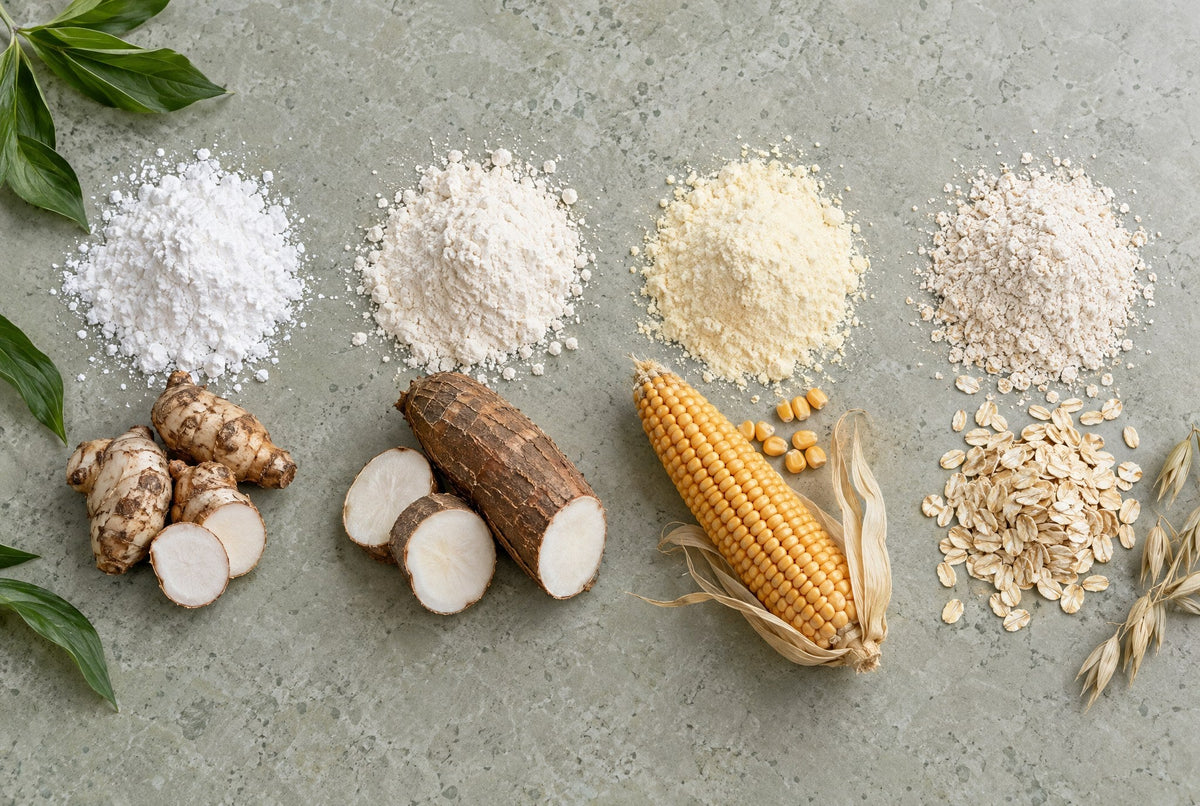
Once talc is off the table, most alternatives land on a plant starch base, and three names show up again and again on the panels: cornstarch, arrowroot, and tapioca. All three do the same core work at the changing table, absorbing excess moisture and cutting the friction that makes skin folds chafe.
The differences a shopper can actually feel come down to texture and finish. Cornstarch tends to feel soft with a little more body. Arrowroot carries a silkier, lighter slip that many parents like on dry skin. Tapioca sits between the two, light with a touch more cushion. None of this is a clinical distinction, just a feel-in-the-hand one, worth matching to preference rather than hunting for a single winner.
How any starch behaves once it meets moisture matters too. These bases do their best work on skin already patted thoroughly dry; on a slightly damp area they can clump rather than dust smoothly. Dry the folds first, then dust lightly, and clumping mostly disappears.
Then there is simplicity. Some parents prefer a single plant starch with a short panel they can read in one pass; others are happy with a thoughtful blend that pairs a starch with soothing botanicals. The Mavey Jaymes Talc-Free Baby Powder blends organic flour, calendula, and arrowroot so the moisture-control base and a calming botanical share one short list. That makes it a practical option for areas where moisture tends to build up, such as diaper creases, thighs, underarms, and other skin folds. It can help keep those areas feeling drier and more comfortable throughout the day, while the talc-free formula gives parents a straightforward option for everyday use.

Ready-made or homemade is the last fork. A do-it-yourself starch appeals to parents who want full control over every pinch, while a ready-made powder trades that fiddling for a uniform grind and a scent and texture that stay the same bottle after bottle. For where cornstarch itself fits as a swap, a closer look at cornstarch as a baby powder option lays out when it helps and when a purpose-made powder makes the easier daily choice.
Why Some Talc-Free Powders Feel Drier Than Others
A plant-starch powder can dust on beautifully in a cool nursery, but hot, sticky days ask more of any powder. Skin that stays faintly damp between changes is what sends some parents looking for a powder with a drier, more matte finish in the spots that run warm.
The ingredient behind that drier, more matte finish is usually a mineral clay, and kaolin is the one that shows up most often on talc-free panels. A plant starch soaks up moisture and keeps the slip soft; a clay like kaolin leaves a chalkier, more powdery drag that many parents read as drier for longer. It is less about raw absorbency than about the feel left on the skin once moisture builds.
That is why plenty of formulas pair the two. A starch brings the soft, familiar slip; a clay brings the matte, stay-put finish. Blended, they aim for a middle ground: comfortable to apply, slower to feel damp in a crease. Choosing a clay-plus-starch blend over a starch-only powder is really a choice about where on that comfort-versus-dryness line to sit.
The difference announces itself in predictable places. Summer diaper changes, when a nursery runs warm and skin stays faintly damp between changes, are the clearest. So are the deep folds at the neck, thighs, and wrists where warmth and moisture pool on a chubby baby. Active toddlers who run hot and rarely sit still work up a sheen a cool-weather powder never had to handle.
None of this makes a drier finish automatically right. A matte, clay-heavy powder suits a baby whose creases stay damp, while a baby with drier skin may prefer a softer, starch-led slip. The useful move is matching the finish to the skin and the season rather than chasing "driest" as the only measure that counts.
For a shopper in the aisle, the label settles most of it. A short ingredient list with recognizable base ingredients is easier to weigh than a long panel of unfamiliar terms. The Talc-Free Baby Powder keeps that readable approach, pairing its organic flour and arrowroot base with calendula for a starch-led finish parents can parse in one pass.
Cream-to-Powder and Balm Finishes for Parents Who Skip Loose Powder
Some parents love what powder does yet prefer a texture that stays exactly where it's placed at a busy changing table. For them, the alternative is a different texture, one that delivers a powdery finish without anything to sprinkle.
Two formats come up the most. A cream-to-powder style finish goes on like a light cream, then settles to a dry, smooth touch as it absorbs. The appeal is targeted control: a parent places it exactly where the folds need it instead of dusting a wider area and hoping the coverage lands. The second is a balm used as a friction buffer. A balm glides on with more slip and cushion, so it suits spots where skin rubs against skin or a diaper edge, trading matte dryness for reduced chafing.
Deciding whether this is the right lane comes down to a few honest preferences. Parents who want less to wipe off the changing pad afterward tend to gravitate here, since nothing scatters beyond where it was placed. So do those who prefer aiming at one crease over broadcasting a dusting across a whole diaper area. And for anyone who keeps a changing kit in a bag or car, a solid texture with nothing to spill is an easy one to carry.

A balm-style option earns its place for cushion rather than moisture control, and the two jobs stay separate. Where soft, no-residue glide is the goal across skin folds, the Mavey Jaymes Body Butter melts in with shea butter, oat kernel extract, and calendula, leaving no greasy film. It is a comfort-and-nourish product, not a moisture-control powder, so it works alongside a dry finish rather than replacing it. Parents wanting the familiar matte feel still reach for a powder; those chasing a smoother, placed-exactly texture at the folds have a gentler buffer to add to the kit.
A Tidy Diaper-Change Routine for a Modern Powder
The point of a routine is a boringly reliable result: skin that stays clean, feels dry, and sits comfortable between changes, every time, without a parent reinventing the steps at 2 a.m. The order matters more than any single product in it.
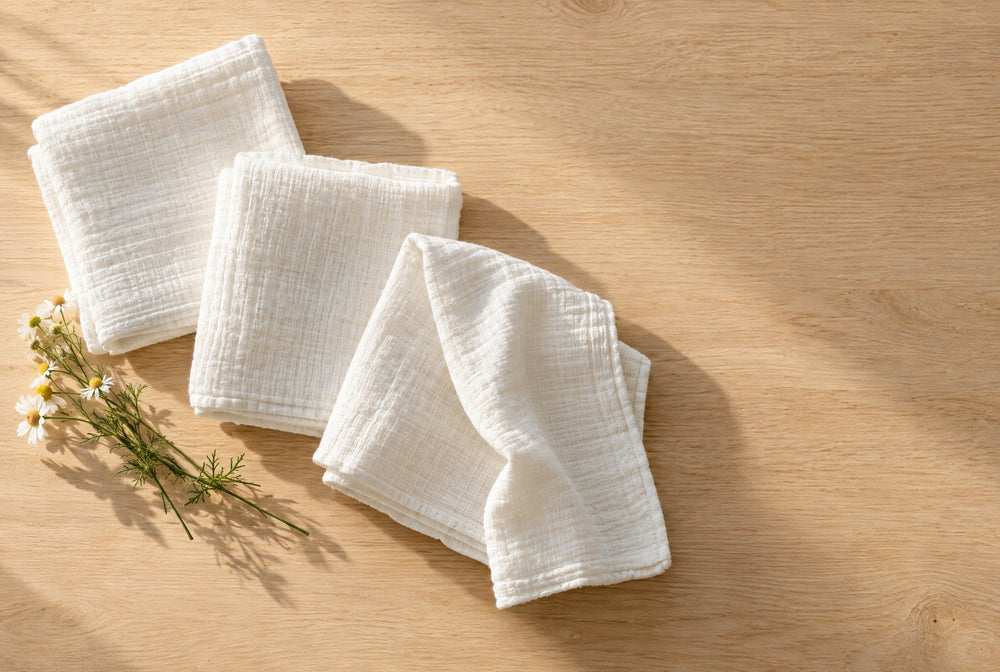
Start clean. Parents wipe the area thoroughly, front to back, until nothing is left behind to sit against the skin. Then let it dry fully. A quick pat with a soft cloth clears the surface, and a short air moment before the next diaper goes on does the rest, since a talc-free base works best on skin that is already dry rather than faintly damp.
Powder comes next. A light dusting over the places where friction and moisture collect, like the diaper area, the folds at the thighs, and the backs of the knees, is all it takes. Finish with a diaper fitted snugly but not tight around the creases, so nothing bites into a fold where warmth already pools.
For families settling on a talc-free powder, the Talc-Free Baby Powder product page lays out the specifics and directions.
Why Mavey Jaymes Belongs on a Talc-Free Shortlist
Once parents decide they want to skip talc, the next question is usually much more practical: which powder is simple enough for everyday diaper changes, helps manage moisture, and still has an ingredient list they feel comfortable using on delicate skin? That is where Mavey Jaymes stands out.
The brand was created by a dad in 2009 for his son Beckett, and that parent-first approach still shows in its powder range. Rather than offering one catch-all formula, Mavey Jaymes gives families two clear options depending on what they are looking for.
The Mavey Jaymes Talc-Free Baby Powder combines organic flour, calendula, and arrowroot. The starch-based formula is designed to help absorb excess moisture, making it useful around the diaper area, thighs, underarms, and other skin folds where dampness and friction tend to build up. Calendula adds a botanical element to a short formula that is easy to understand at a glance.
For families who prefer to avoid wheat-based ingredients, the Mavey Jaymes Gluten Free Baby Powder offers a separate option made without wheat flour. That makes the choice straightforward rather than forcing parents to sort through a long ingredient panel to work out whether a powder suits their preferences.

What makes the range useful is that both products solve the same everyday problem without relying on talc: keeping moisture-prone areas feeling dry and comfortable. They can sit at the changing table for diaper changes, but they are just as practical for warm-weather skin folds, between the thighs, or anywhere moisture and rubbing tend to go together.
There are some reassuring trust signals behind the products too. More than 5,000 families have bought from Mavey Jaymes, the range carries an average 4.9-star rating, and orders are backed by a 100% satisfaction guarantee.
For parents comparing talc-free powders, Mavey Jaymes makes the decision refreshingly simple: choose the original plant-based formula or the gluten-free version, then use it wherever everyday moisture tends to become uncomfortable. Browse the full collection today.
Frequently Asked Questions
Is cornstarch a good alternative to baby powder?
Cornstarch is a plant-based, talc-free powder base, which is exactly what most parents searching for a baby powder alternative have in mind. It absorbs moisture and softens friction at the diaper line much like any plant starch. Whether it is the easier daily choice depends on preference and mess tolerance. A closer look at cornstarch as a baby powder option lays out when it helps and when a purpose-made powder wins.
What should I look for in a natural baby powder?
Start with the label. Look for a base ingredient you recognize, a short ingredient list, and no mystery blends to decode. A plant starch like organic flour or arrowroot fits that bill, and talc-free formulas like Mavey Jaymes Talc-Free Baby Powder keep the list short enough to read in one pass.
What can I use instead of loose baby powder?
Two texture swaps cover most of this. A cream-to-powder finish goes on like a light cream and settles dry, placing control exactly where the folds need it. A balm or ointment glides on with more cushion as a friction buffer. Parents tend to prefer these for mess control, diaper-bag convenience, and targeted application where nothing scatters off the changing pad.
What is the difference between Mavey Jaymes Talc-Free Baby Powder and Gluten Free Baby Powder?
They are different formulas. The Mavey Jaymes Talc-Free Baby Powder is built on organic flour, calendula, and arrowroot, which includes wheat flour. The Gluten Free Baby Powder is made without wheat flour, so it is the one to choose for a family avoiding gluten.